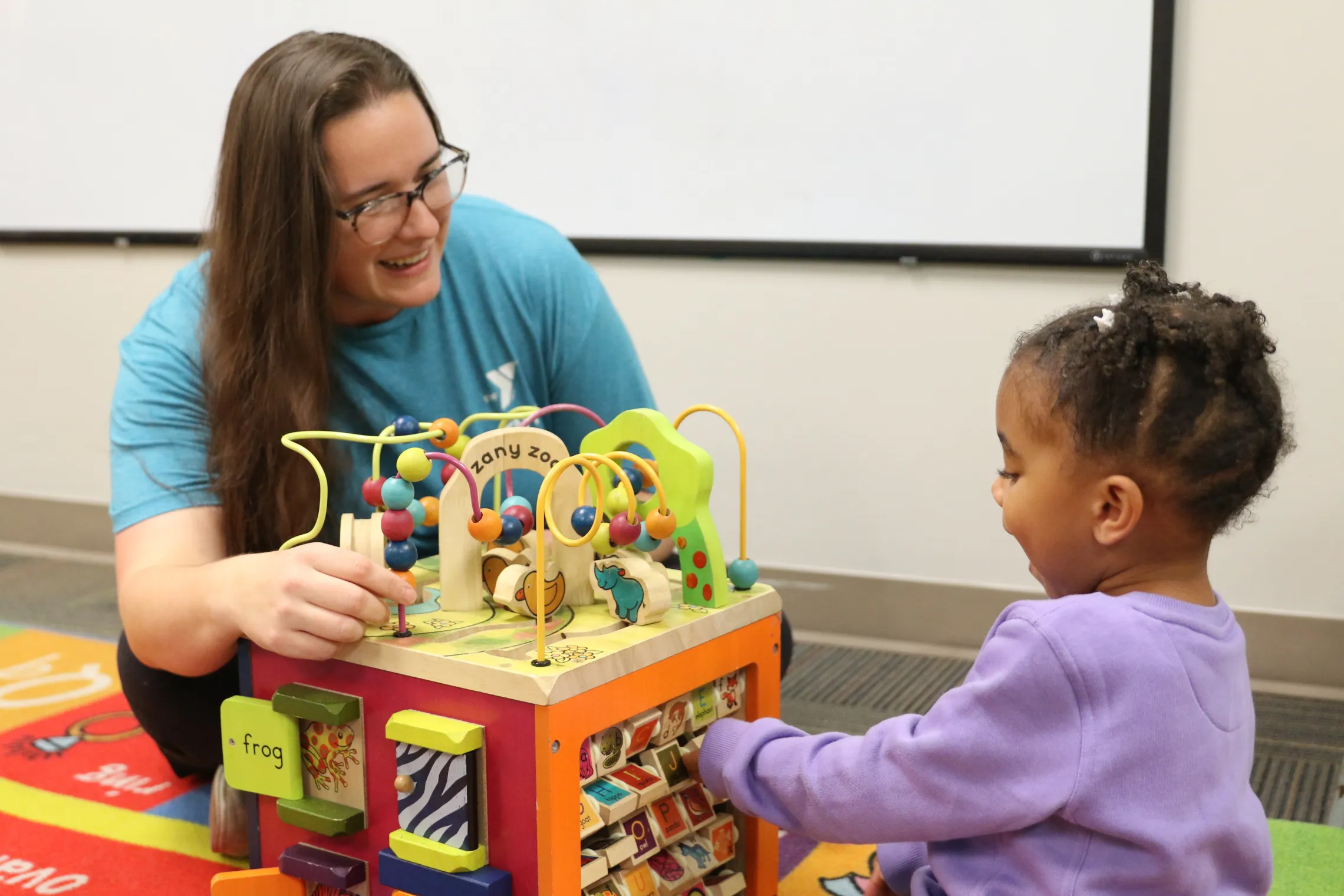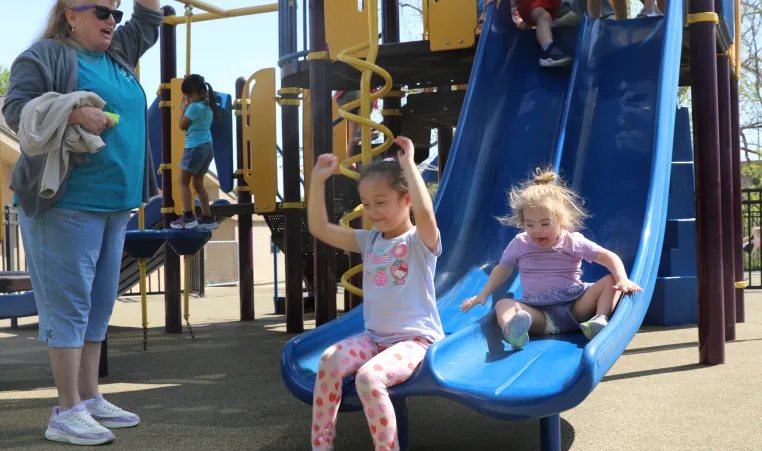
As parents, we all want to give our children the best possible start.
When it comes to preschool and early learning, it's natural to wonder: Will my child be ready for what’s next?
For years, readiness was measured by whether a child could recognize letters, count to 10 or write their name. While those milestones certainly matter, we now know that preparing children for school—and for life—is about much more than academics.
That's what we're preparing for every day at the YMCA Early Learning Centers.
Because true readiness isn't simply about what children know.
It's about who they're becoming.
The Lessons Parents Don't Always See
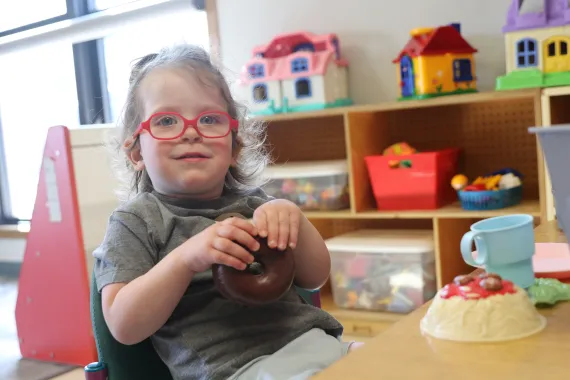
When parents think about preschool, it's easy to focus on the milestones they can see—learning letters, recognizing numbers or writing a name.
But some of the most important lessons aren't measured on a worksheet or what's visible on the surface.
They're found in the child who comforts a classmate who's upset.
The one who keeps trying after their block tower falls.
The one who proudly puts on their own coat for the first time.
The one who asks, "Why?" for the hundredth time that day.
These moments may seem small today, but they're helping build confidence, resilience, empathy and curiosity—qualities children will carry with them for the rest of their lives.
At the YMCA, we intentionally create opportunities for these moments every day through purposeful play, exploration, movement and meaningful relationships.
The Skills They're Building Today Shape Who They'll Become Tomorrow
At the YMCA Early Learning Centers, every activity has a purpose.
Whether children are exploring outdoors, working through a disagreement with a friend, building with blocks or sharing a favorite story, they're developing motor, cognitive and social-emotional skills that extend far beyond preschool.
| Skill They're Building Today | What It Looks Like at the YMCA Early Learning Centers | How It Benefits Them Later |
|---|---|---|
| Curiosity | Asking questions, exploring nature, experimenting and discovering through play | Builds lifelong learners who aren't afraid to ask questions, explore new ideas or embrace new experiences. |
| Confidence | Trying something new, making choices, sharing ideas and celebrating accomplishments | Helps children participate in class, advocate for themselves and approach new opportunities with confidence. |
| Problem-Solving | Building with blocks, completing puzzles and working through disagreements with friends | Develops critical thinking, resilience and the ability to overcome challenges instead of giving up. |
| Communication | Storytelling, listening to others, expressing feelings and collaborating during play | Strengthens friendships, teamwork, leadership and communication skills they'll use throughout life. |
| Emotional Regulation | Naming emotions, taking turns, practicing patience and learning healthy ways to manage frustration | Helps children manage stress, navigate relationships and respond thoughtfully when challenges arise. |
| Independence | Cleaning up after activities, putting on coats, making simple choices and completing age-appropriate tasks | Builds responsibility, self-confidence and independence that prepares children for school and everyday life. |
| Empathy | Learning to share, include others, recognize emotions and care for classmates | Fosters compassionate classmates today and caring friends, teammates, coworkers and community members tomorrow. |
| Resilience | Trying again after mistakes, practicing new skills and learning that setbacks are part of growth | Teaches perseverance—the foundation for success in school, sports, careers and life. |
These lessons don't happen by accident. They happen through intentional experiences that help children grow in spirit, mind and body. High-quality early learning supports children's physical, social, emotional, language and cognitive development together, helping them build a strong foundation for lifelong learning.
Why Environment Matters
Children learn best when they feel safe, supported and encouraged to explore.
That's why relationships are at the heart of everything we do at the YMCA Early Learning Centers.
Our teachers do far more than supervise classrooms. They notice when a child needs encouragement, celebrate small victories and know when to step back so a child can discover the answer on their own.
They create spaces where questions are welcomed.
Where mistakes become learning opportunities.
Where friendships are built.
Where every child feels known, valued and capable.
Research continues to show that caring, responsive relationships are one of the strongest predictors of school readiness because they give children the confidence to explore, solve problems and embrace new challenges.
It's this combination of intentional teaching, meaningful relationships and whole-child development that makes the YMCA experience unique.
Learning Doesn't Stop at Pickup
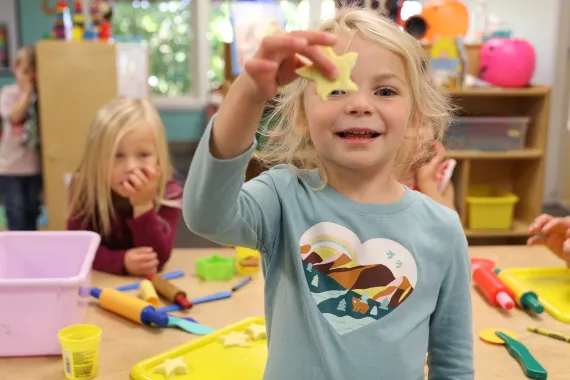
Parents are a child's first and most important teachers, and some of the most meaningful learning happens long after the school day ends.
The good news? Reinforcing these skills at home doesn't require expensive toys or elaborate lesson plans.
Here are a few simple ways to continue the learning:
- Ask open-ended questions. Instead of "What did you learn today?" try "What made you smile today?" or "What was something tricky you figured out?"
- Read together and have conversations often. Reading and speaking with one another builds vocabulary, imagination, empathy and meaningful conversations.
- Celebrate effort. Praise persistence, creativity and trying something new—not just getting the right answer.
- Encourage independence. Invite your child to help cook dinner, water plants, sort laundry or make age-appropriate decisions.
- Allow healthy struggle. Give your child the opportunity to solve age-appropriate problems before stepping in to help. You know, do hard things.
These everyday moments are just some of the ways you can reinforce the same confidence, curiosity, resilience and independence children are building every day at the YMCA.
When families and educators work together, children receive consistent encouragement to grow both at home and in the classroom.
More Than Readiness
So, will your child be ready for what’s next?
We certainly hope so. But perhaps a better question is:
What kind of person do you hope your child becomes?
Someone who's curious enough to keep learning.
Confident enough to try.
Kind enough to include others.
Resilient enough to overcome challenges.
Ready not only for what comes next, but for the next big adventure.
At the YMCA Early Learning Centers, we're honored to help build that future every day.
Because preparing children for life’s milestones, and just life in general, is important.
If you’d like to learn more about how the YMCA Early Learning Centers help children build a strong foundation for the future, we’d love to meet your family and give you a tour of one of our four centers.
To learn more about our Early Learning Centers, visit our website or contact the location nearest you.
Our Early Learning Center Locations
Each location provides a safe, nurturing environment where children learn through purposeful play, caring relationships and experiences designed to help them grow in spirit, mind and body.
Our Early Learning Centers include:
- Bergan Early Learning Center
- Charles E. Lakin Early Learning Center
- Creighton Early Learning Center
- Immanuel Early Learning Center