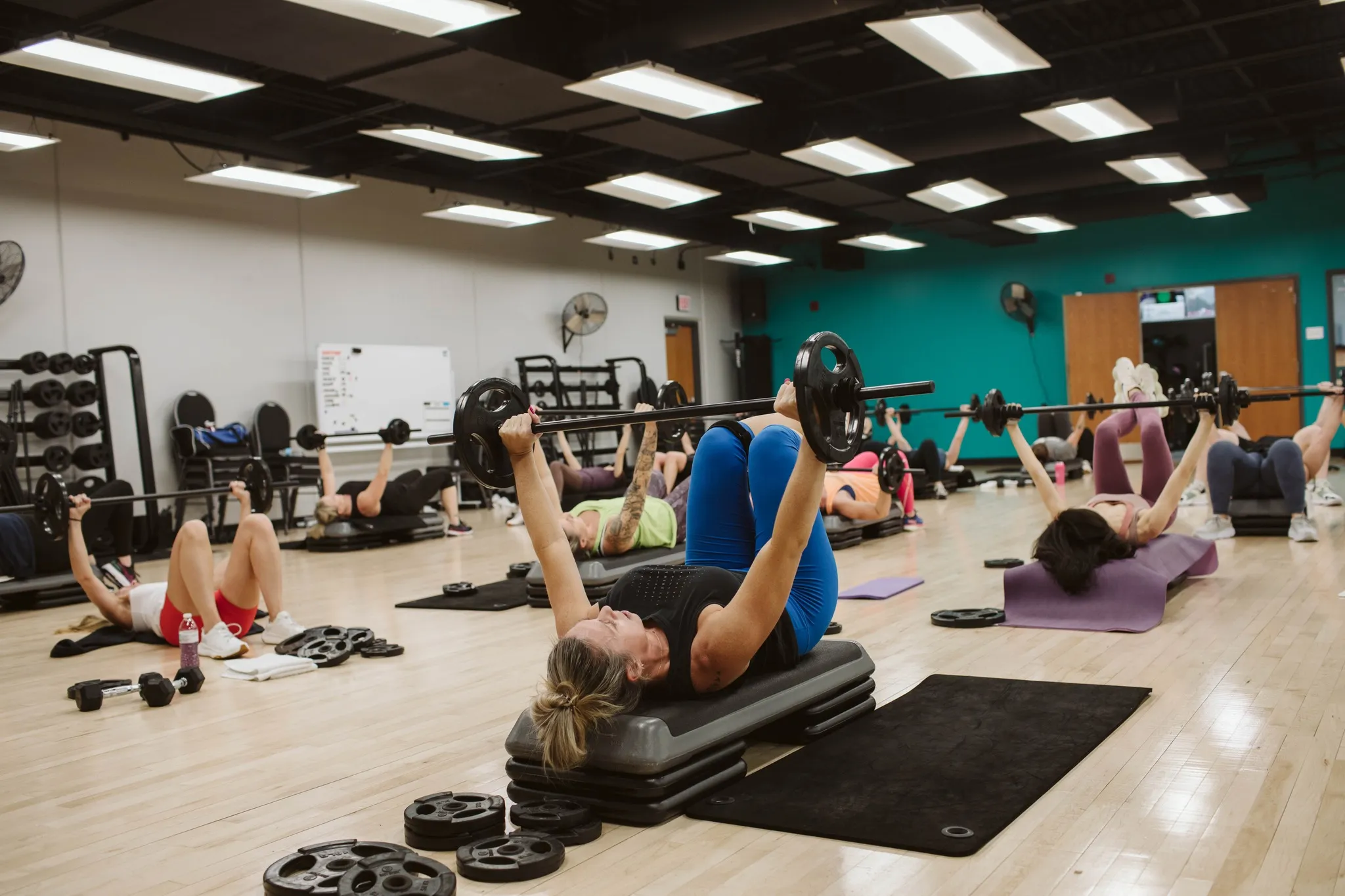
When many people hear the word strength, they think of muscle. But strength is more than physical ability. At every stage of life, strength takes on new meaning. It may look like courage, discipline, balance, or independence—but at its core, strength is built through consistency and self-trust.
It’s the confidence to try something new.
The discipline to stay committed.
The resilience to keep going when progress feels slow.
And something powerful happens when we show up consistently: we build trust in ourselves.
Every time we try again, return after time away, stay when something feels hard, even start new, we reinforce a belief: I can begin. I can adapt. I can grow. I can do this.
Strength in Childhood
In childhood, strength looks like courage.
It’s jumping into the pool without holding the wall. Missing the shot but trying again. Walking into practice feeling nervous—and staying anyway.
This is where healthy development begins. Children learn that effort leads to improvement. That showing up matters. That mistakes are part of growth.
They wobble. They forget the drill. They lose focus.
But confidence is built in those imperfect repetitions.
Over time, children begin to believe: I can try. I can improve. I can do hard things.
That belief is foundational strength.
Strength as a Teen
As children grow into teens, strength begins to look like resilience and identity.
The teen years are filled with transition—balancing school, activities, friendships, and growing responsibilities. Strength becomes less about trying something new and more about staying committed and in doing so, discovering who you truly are.
Teens learn that growth isn’t linear. Some days feel confident. Others don’t. But showing up—even imperfectly—builds discipline and emotional resilience.
They begin to understand: I can commit. I can recover. I can keep going.
This stage builds self-trust that carries into adulthood.
Strength in Adulthood
In adulthood, strength often looks like balance.
It’s choosing personal well-being in the middle of work, family, and full schedules. It’s starting again after time away. It’s adjusting expectations while staying consistent.
At this stage of life, strength becomes sustainable rather than dramatic.
It’s not about perfection.
It’s about long-term well-being.
Adults learn that consistency matters more than intensity—and that caring for themselves allows them to care for others.
Strength in adulthood reinforces a powerful truth: I can prioritize my health. I can stay consistent. I can start again. I can do hard things.
Strength in Older Adulthood
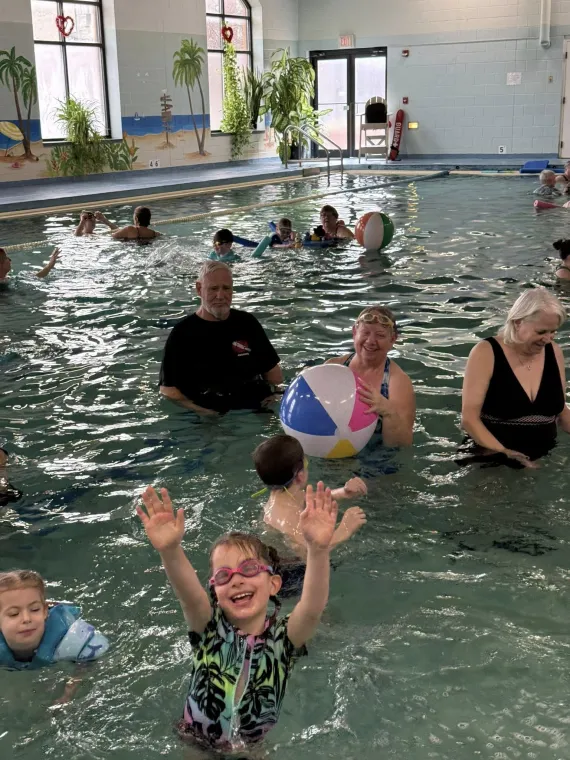
In older adulthood, strength looks like independence and quality of life.
It’s maintaining balance and mobility. Staying active enough to travel, volunteer, garden, or keep up with grandchildren. It’s protecting the ability to move confidently through everyday life.
At this stage, strength isn’t about comparison. It’s about capability.
Each step taken. Each class attended. Each effort made reinforces self-trust.
My body is still capable. I can maintain my independence. I can continue to grow. Age is truly just a number.
It may not look flashy. But it is deeply powerful.
Strength at Every Stage of Life
Strength changes as we age—but it never disappears. It evolves.
It looks like courage in childhood.
Resilience in our teen years.
Balance in adulthood.
Independence later in life.
And sure, muscle is very much strength. But most of all, strength looks like consistency.
It’s in the decision to show up.
In choosing growth.
In building confidence over time.
In being part of a supportive community that encourages lifelong well-being.
At every age and every stage, strength is found in the simple act of showing up—imperfectly, persistently, and together.
And that’s the kind of strength the YMCA exists to build.
-Andrea H., digital marketing director and group exercise instructor